
Dengue Fever: What You Should Know and How to Protect Yourself
By Dr. Jorge Parada, Medical Advisor for the National Pest Management Association
Dengue fever is a viral infection spread by the bite of a mosquito, especially Aedes aegypti and Aedes albopictus mosquitoes. The virus is common in Asia, Africa, the South Pacific and the Caribbean, and not typically found in the United States. However, we've seen U.S. cases on the rise in the past decade, following the outbreak that hit Hawaii in 2015-2016 resulting in 264 local cases. Furthermore, both Aedes aegypti and Aedes albopictus are common and well-established in many parts of the United States, particularly across the southern tier and warm subtropical regions. So, if these infections become more established within the continental United States, they can easily spread across large areas of the country.
As seen most recently in the news, the Centers for Disease Control and Prevention (CDC) has reported more than 800 cases across Florida in 2026, with numbers rapidly increasing in the past few months. Cases have nearly doubled in the state from September to October.
Historically, most dengue cases in the United States are “travel-associated,” meaning a person became infected while traveling outside of the United States and brought it back with them. In contrast, most of these new cases have been from “locally acquired” infection where local mosquitoes pick up the virus and spread it to humans. So far in 2026, we’ve been seeing much more of the latter. Locally acquired cases in Florida have significantly surpassed those of previous years, raising concerns of this virus being here to stay.
What are common symptoms of dengue fever?
Many people with the virus don’t get sick. For those that do, symptoms usually develop 4 to 10 days after being bitten by a mosquito. Dengue fever symptoms can include:
-
Sudden high fever
-
Severe headaches
-
Muscle and joint pain, which can be quite severe
-
Rash on the arms and legs
Not uncommonly, the virus can be rather painful – so much so that it goes by the nickname of “breakbone fever.” Typically, an uncomplicated infection resolves within 2 to 7 days. However, severe dengue, known as Dengue hemorrhagic fever, may be complicated by severe abdominal pain, vomiting, bleeding, circulatory failure and shock, and can be fatal.
How do you treat dengue fever?
There is no specific treatment for dengue fever. Bed rest and acetaminophen (Tylenol) are recommended to treat fever and pain. People should avoid aspirin and NSAIDs (ibuprofen, naproxen), as they can make bleeding problems worse. There is no widely available vaccine in the United States for dengue fever.

How can you prevent dengue fever?
It all comes down to mosquito prevention, which includes pest control and personal protection. To prevent dengue fever and mosquito bites, the National Pest Management Association recommends:
-
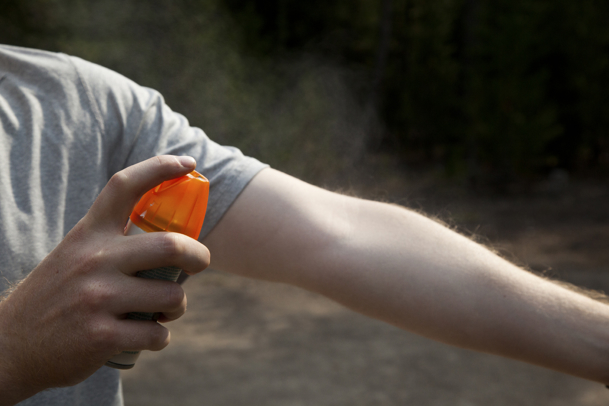
Applying an EPA-registered repellent containing at least 20 percent DEET, or picaridin, IR3535 or oil of lemon eucalyptus to exposed skin when outdoors
-
Wearing long pants and long-sleeved shirts to limit exposure to mosquitoes
-
Eliminating standing water in or around the home in places such as baby pools, flowerpots, birdbaths and grill covers to prevent mosquito breeding
-
Keeping windows and doors properly screened, and repairing even the smallest tear or hole
-
Working with a licensed, qualified pest control professional to develop a plan to reduce mosquitoes on your property.
If you’re interested in having someone inspect your property, you can find a local pest control professional here.

Learn About Rodents
Rodents invade millions of homes each winter. Learn more about them!

NPMA’s Bugs Without Borders
NPMA’s Bugs Without Borders research uncovers surprising shifts in America’s pest landscape and what homeowners should expect next.

NPMA's Bug Barometer Forecast
The latest Bug Barometer® forecast from the National Pest Management Association reveals what homeowners across America can expect from pest activity this fall and winter.
Find a PEST PRO in your area
Learn About Rodents
Rodents invade millions of homes each winter. Learn more about them!
NPMA’s Bugs Without Borders
NPMA’s Bugs Without Borders research uncovers surprising shifts in America’s pest landscape and what homeowners should expect next.
NPMA's Bug Barometer Forecast
The latest Bug Barometer® forecast from the National Pest Management Association reveals what homeowners across America can expect from pest activity this fall and winter.