
Ants

Ant Control & Extermination Information
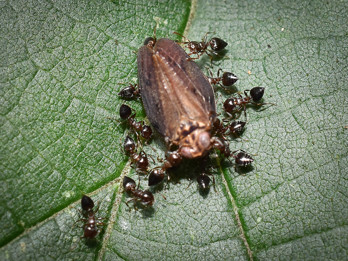
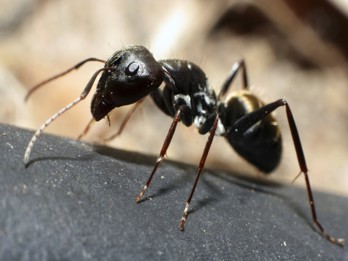
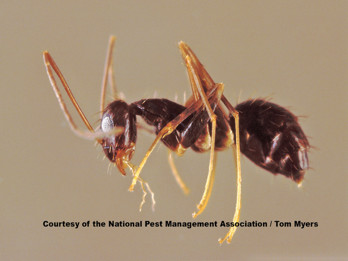
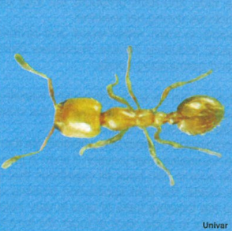
There are more than 700 ant species found in the U.S., although only about 25 species commonly infest homes. Ants are social insects that typically live in underground colonies, made up of workers and a queen. Ants will eat practically any kind of food, but are especially attracted to sweets. Ant identification is relatively simple due to their three distinct body regions: head, thorax and abdomen, as well as antennae. Despite similar construction, ants vary in overall appearance. This is why homeowners often refer to them as “small black ants,” “large ants,” “brown or black ants” or other general nicknames.
Ant encounters are becoming increasingly common. In a survey conducted online by The Harris Poll on behalf of National Pest Management Association (NPMA), 51% of Americans encountered ants in their home this year. Despite this, many people underestimate the risks ants can pose. Only 36% of Americans believed ants could cause significant property damage, and just 29% felt confident identifying common ant species like carpenter ants, fire ants, and little black ants. This knowledge gap may allow infestations to grow unnoticed.
If you do find signs of an ant infestation in your home, contact a pest professional promptly. They will be able to inspect your home, perform proper ant species identification, and recommend a course of ant control and extermination.
Ants Identification What Do Ants Look Like?
While there are about 25 different ant species known to infest homes, they all share similar characteristics including antennae and six legs, while their size may differ by species. Ants are social insects, meaning they live in colonies that can house up to hundreds of thousands of individuals, so you’ll likely see more than one at a time. Inside the home, ants can primarily be found in the kitchen and bathrooms, as these areas provide access to food as well as moisture.





How Do You Get Rid of Ants in the House?
Although they may be small in size, ants can pose serious threats by contaminating food and damaging property. Living and working in large colonies, an ant infestation can quickly spread if left unchecked.
More recent survey data conducted online by The Harris Poll on behalf of National Pest Management Association highlights how easily ant issues can escalate. Results revealed that more than half of U.S. households reported ant encounters, yet earlier in the year, only 18% of Americans said they experienced a true ant infestation within the past year. This gap suggests that many sightings are dismissed as minor, even when they may indicate a growing colony. Additionally, only 12% of Americans frequently inspected firewood for pests, a common way ants and other insects can be carried indoors during cooler months.
To help keep your home ant-free, follow these tips:
- Seal cracks and crevices around the home, especially in places where utilities enter
- Dispose of garbage regularly and use trash cans with a sealed lid
- Promptly clean up food and drink spills
- Store sweets such as honey and sugar in closed containers
- Eliminate excess moisture by repairing leaking pipes and using a dehumidifier as needed
- Remove old landscape materials, debris and excess vegetation from the property to reduce potential nesting sites for ants
Find an Ant Exterminator Near You
Ants can easily go unnoticed due to their small size, allowing infestations to rapidly expand without warning. While species like red imported fire ants can inflict painful stings and even send people to the hospital, Argentine ants and carpenter ants can contaminate food and cause significant property damage. If you suspect or discover an ant infestation, contact a licensed pest control professional using our Zip Code Locator.


